
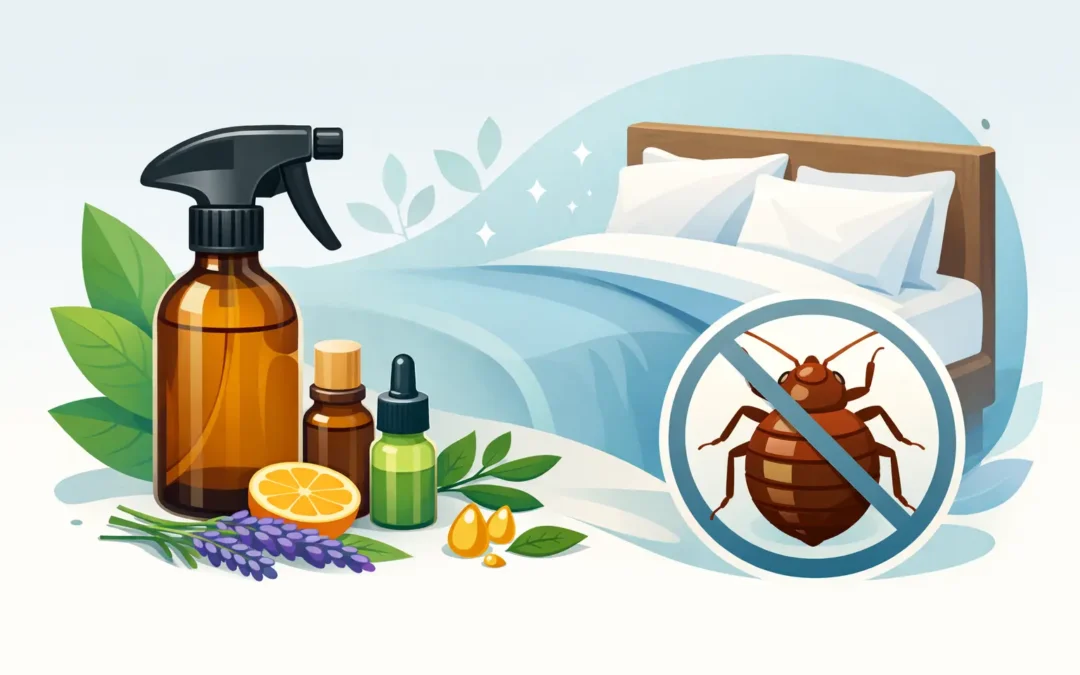
When people search for how to make bed bug spray with essential oils, they are usually dealing with one of two problems: they either want a quick way to repel bed bugs, or they are hoping a homemade spray will solve the infestation. Those are not the same goal, and if you mix them up, you can lose time while bed bugs keep breeding.
Here is the straight answer from a pest control standpoint: essential oil sprays may have limited value as a short-term contact or repellent product, but they are not a complete bed bug treatment. If you want to make one, make it with the right expectations. Think of it as a light support tool, not the backbone of your plan.
How to make bed bug spray with essential oils
A basic homemade spray is simple to mix. In a clean 16-ounce spray bottle, combine 1 cup of distilled water, 1 cup of isopropyl alcohol or witch hazel, and 20 to 30 drops total of essential oil. Tea tree, lavender, peppermint, eucalyptus, and clove are the oils most people reach for.
Shake the bottle well before each use because oil and water separate. Spray lightly onto seams, tufts, bed frame joints, cracks around furniture, and other places where bed bugs travel or hide. Do not soak surfaces. The goal is a light application, not saturation.
If you want a gentler version, you can skip the alcohol and use water plus a small amount of liquid castile soap as an emulsifier. That helps disperse the oil better, but it does not turn the spray into a stronger bed bug killer. It just helps the mixture stay blended a little longer.
What this spray can actually do
This is where people need the truth, not wishful thinking. Essential oil sprays may bother bed bugs, may kill some on direct contact, and may temporarily discourage movement in treated areas. That sounds useful, and in a narrow sense it is.
But bed bugs are excellent at hiding in tight harborages, inside furniture joints, behind baseboards, under edges of carpet, inside box spring voids, and in places your homemade spray will never reach. Eggs are another problem. Even when a spray affects exposed bugs, it often does little or nothing to hidden eggs and sheltered nymphs.
So if you spray the mattress and stop there, you can create a false sense of progress. The bed may smell clean and treated, but the infestation can stay active in the room.
The biggest mistake with essential oil bed bug sprays
The most common mistake is using a homemade spray as a substitute for inspection, preparation, and a full treatment process. Bed bug control works when you attack the problem from multiple angles: finding hiding spots, reducing clutter, laundering properly, using encasements where appropriate, applying the right products to the right places, and following up on a schedule.
A scented spray does not replace any of that. In some cases, heavy use of repellents can even scatter bed bugs into new hiding spots, which makes the job harder.
That does not mean the spray is worthless. It means placement matters, timing matters, and expectations matter.
Which essential oils are most commonly used
If you are set on making a spray, a few oils show up again and again in DIY advice. Tea tree oil is popular because people assume it has broad insect-killing power. Peppermint is commonly used because of its strong odor. Lavender and eucalyptus are often added for scent and possible repellent effect. Clove tends to be one of the stronger-smelling choices and is sometimes preferred in homemade pest mixtures.
None of these oils should be treated like a professional bed bug product. Their real-world performance is inconsistent, and concentration matters. So does the surface you apply them to. A formula that smells strong in the bottle may dry quickly and have very little lasting effect where it counts.
How to use a homemade spray without making things worse
If you are going to use an essential oil spray, use it as a targeted supplement. Spray only likely travel paths and exposed hiding spots you can actually identify. Focus on bed frame joints, cracks in nearby furniture, seams on upholstered items, and edges where bugs might be forced into the open during cleaning or inspection.
Do not fog the whole room. Do not spray your body. Do not drench bedding, pillows, or a mattress you are going to sleep on unless the ingredients are clearly safe for that use and fully dry first. Even then, I would be cautious. Skin irritation and breathing sensitivity are real issues, especially for kids, older adults, and pets.
Also, do not rely on smell as proof something is working. Bed bugs are not defeated because the room smells like peppermint.
Safety matters more than the recipe
A lot of DIY articles leave this part out. Essential oils are not automatically safe just because they are plant-based. Some can irritate skin, trigger asthma symptoms, stain fabrics, or be toxic to cats and dogs. Alcohol-based mixtures also bring fire risk, especially if someone sprays near outlets, candles, space heaters, or while smoking.
Always test a small hidden area first before spraying furniture or fabric. Keep homemade mixtures labeled and out of reach of children. Never mix essential oils with bleach, ammonia, or other cleaning chemicals. And if anyone in the home has respiratory issues, think twice before putting strong airborne scents into the sleeping area.
This is one reason professional bed bug control focuses less on fragrance-based DIY solutions and more on products and methods with defined use patterns.
Where homemade bed bug spray fits in a real plan
If you want the honest professional answer, homemade sprays fit at the edges of the job. They are not central. A real bed bug plan starts with confirming activity. You inspect sleeping and resting areas, look for live bugs, shed skins, fecal spotting, and eggs, and map out where the infestation is established.
From there, preparation becomes the real work. Clothing and linens need proper bagging and laundering. Clutter needs to be reduced carefully, not carried loose through the home. Beds should be pulled from walls if needed. Furniture and room layout should support treatment, not fight it.
Then comes control. That may include vacuuming, steaming in the right places, encasements, interceptor-style monitoring, and properly selected residual and contact products labeled for bed bugs. It also includes follow-up. One treatment rarely ends the problem if the infestation is established.
That is the part many DIYers underestimate. Bed bug control is a process, not a single product.
When an essential oil spray may still be worth making
There are a few situations where a homemade spray can make practical sense. If you are in the middle of inspection and want a light contact spray for exposed bugs, it can help in the moment. If you are treating luggage or non-sensitive hard surfaces after travel, a temporary repellent approach may feel useful. If you are waiting on proper treatment supplies, it may give you something small and controlled to do right away.
But if you already know you have an active infestation in the bed, couch, or bedroom furniture, homemade spray should not be your main move. That is when people get stuck in a cycle of spraying, sleeping, getting bitten again, and assuming they just need a stronger scent.
They do not. They need a better system.
A practical recipe and realistic expectations
If you want the simplest version, use 16 ounces of water, 1 to 2 teaspoons of liquid castile soap, and 20 to 30 drops of peppermint or tea tree oil. Shake well and apply lightly to cracks, crevices, and hard-to-reach joints where visible bugs may be present. Reapply as needed because homemade sprays break down fast.
If you want stronger evaporation and a quicker-drying mix, replace half the water with isopropyl alcohol. Just remember that faster drying does not mean deeper control. It usually means the opposite. Bed bugs that are hidden stay hidden.
That is the trade-off with almost every homemade formula. It is cheap, accessible, and easy to make. It is also limited, inconsistent, and easy to overtrust.
If you are trying to solve a bed bug problem yourself, keep your standards professional even if your budget is tight. Use homemade tools for what they are good at, and do not ask them to do a job they were never going to finish. If you need a real result, build a real treatment plan around the infestation, not around the spray bottle.
Recent Comments