
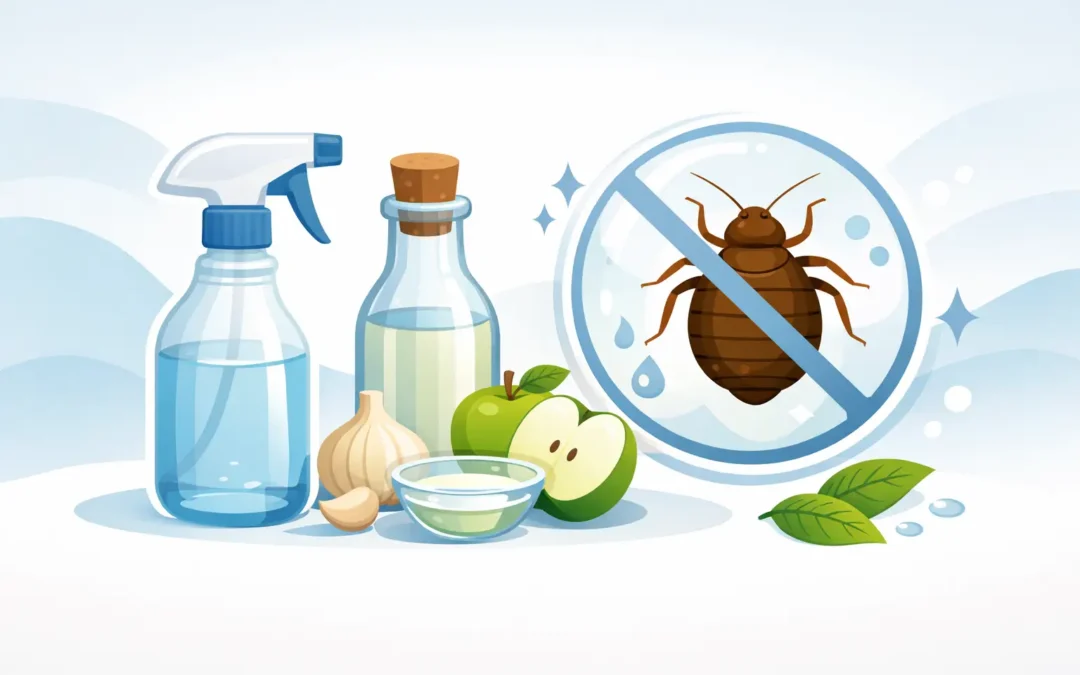
If you just found suspicious bites or tiny stains on the sheets, it makes sense to search for how to make bed bug spray with vinegar. It is cheap, already in the house, and feels like something you can use right now. But before you start spraying, you need the straight answer a pest pro would give you: vinegar is not a complete bed bug treatment, and if you rely on it alone, you can lose valuable time while the infestation spreads.
That does not mean vinegar is useless. It has a limited place as a contact spray for certain surfaces and situations, especially when you need a quick, low-cost step while you build a real treatment plan. The key is knowing what it can do, what it cannot do, and how to use it without creating a bigger problem.
How to Make Bed Bug Spray With Vinegar
The basic version is simple. Pour plain white vinegar into a clean spray bottle. You can use it full strength. If the smell is too strong for you, a 1:1 mix of white vinegar and water is easier to tolerate, but it will also be less aggressive as a contact spray.
For most DIY users, that is all you need. I do not recommend getting fancy with dish soap, essential oils, or random internet add-ins. Soap can leave residue on some surfaces. Oils can stain, trigger breathing irritation, and give people false confidence because they smell strong. Strong smell is not the same thing as effective bed bug control.
If you want a practical recipe, use this:
- 100% white vinegar for the strongest simple mix
- or 50% white vinegar and 50% water for a milder version
- a labeled spray bottle used only for this purpose
Shake the bottle before use if you diluted it. Label it clearly and keep it away from children and pets.
What Vinegar Actually Does to Bed Bugs
Vinegar is sometimes treated online like a miracle fix. It is not. Bed bugs are tough insects, and they are good at hiding in narrow cracks, seams, screw holes, and protected voids where a light household spray will not reach them.
Vinegar may affect bed bugs on direct contact. If you spray a live bug heavily enough, you may kill or injure it. That is the best-case use. It is a contact-only tactic. It does not leave behind dependable residual control the way professional-grade bed bug products are designed to do.
It also does not reliably penetrate eggs. That matters because bed bug control is never just about the bugs you can see. The real job is breaking the life cycle. If eggs survive, you are right back in the fight days later.
So yes, vinegar can play a small role. No, it is not a stand-alone answer.
Where to Use a Vinegar Bed Bug Spray
If you decide to use vinegar, think in terms of exposed bugs and wipeable surfaces. A vinegar spray makes the most sense on mattress seams during inspection, bed frame joints you can see clearly, tufts and folds where you spot activity, and hard furniture surfaces that will not be damaged by moisture.
Use light, targeted sprays. Do not soak mattresses, upholstered furniture, electrical areas, or anything that traps moisture. Overwetting soft materials can create odor, slow drying, and in some cases mildew problems. On finished wood, vinegar can dull certain surfaces over time, so test a hidden spot first.
This is one of those places where DIY goes wrong fast. People panic, spray everything in sight, and end up with wet furniture, irritated skin, and still have bed bugs.
Places to avoid
Do not spray vinegar into outlets, electronics, alarm clocks, power strips, laptops, TVs, or adjustable bed components. Do not saturate couches or recliners where liquid can get deep into padding. Do not use it as a fogger substitute or a room-wide mist. Bed bugs hide in tight harborages. Floating spray around the room does not solve that.
How to Use It Without Wasting Time
If you are going to use vinegar, use it during inspection and containment, not as your whole strategy. Start by stripping the bed carefully and bagging bedding before moving it through the house. Reduce clutter so you can inspect real hiding spots. Then, as you find live bugs on contact-accessible areas, you can spray them directly.
After that, shift immediately into actual bed bug control steps. Vacuum visible bugs and debris with a crevice tool. Launder and heat-dry affected fabrics on appropriate settings. Isolate the bed if possible. Inspect nearby furniture, baseboards, and known harborage areas. Build a treatment plan that includes products and methods made for bed bugs, not just household substitutes.
That is the difference between reacting and solving.
Why Vinegar Alone Fails Most DIY Jobs
Bed bugs are not like wiping ants off a counter. They live close to people, feed quickly, and hide extremely well. A typical infestation includes bugs in multiple life stages spread across more than one location. You may find some at the bed, but also behind the headboard, inside bed frame tubing, along baseboards, in nightstands, under loose wallpaper, inside couches, or in neighboring sleeping areas.
A vinegar spray only reaches what you hit directly. It does not provide dependable long-term control in those hidden spaces. It does not replace detailed prep. It does not replace follow-up inspections. And it does not make untreated bugs come out and die just because the room smells sharp.
That is why homeowners often think they are winning at first. They kill a few visible bugs. The bites seem to slow down for a night or two. Then the population keeps going because the core infestation was never addressed.
A Better DIY Use for Vinegar
If you already have vinegar on hand, the smartest use is as a temporary contact spray while you inspect. That means you keep expectations realistic. You are not treating the infestation with vinegar. You are knocking down visible bugs while you gather evidence, reduce activity, and move into a proper process.
For example, if you lift a mattress seam and see live adults or nymphs, a direct spray can help kill what is exposed before you vacuum or clean that area. If you inspect a bed frame joint and catch active bugs, same idea. That can be useful. It is just not the whole job.
At Butchies Bed Bug Bureau, that distinction matters. The people who get control of an infestation are usually not the ones chasing home remedies. They are the ones following a structured process with prep, inspection, targeted treatment, safety steps, and repeat follow-up.
Safety and Common Mistakes
Vinegar is a household product, but that does not mean unlimited use is smart. The smell can be harsh in enclosed rooms. It may irritate skin, eyes, or airways, especially for kids, older adults, or anyone with respiratory sensitivity. Open windows when practical and avoid spraying around faces or bedding people will immediately lie on before it dries.
The bigger mistake is mixing vinegar with other cleaners. Never mix vinegar with bleach. That can create dangerous fumes. Avoid random chemical combinations altogether unless the product label clearly allows it.
Another common mistake is using vinegar instead of laundering, vacuuming, encasements, interception, crack-and-crevice treatment, and follow-up inspection. Bed bug control is process-driven. Skipping the process to save money usually ends up costing more time, more stress, and often more spread through the home.
If You Want Real Results, Think Beyond the Spray Bottle
If your goal is just to kill one bug you found crawling on a seam, vinegar can do something. If your goal is to eliminate an infestation, you need a system. That means identifying where the bugs are harboring, reducing clutter, handling linens correctly, using heat where appropriate, selecting bed bug-specific products carefully, and treating the right spots in the right order.
That may sound less comforting than a one-bottle fix, but it is the honest answer. Bed bugs are beatable for many DIY homeowners, just not with shortcuts.
So if you make a vinegar spray, use it for what it is – a small contact tool, not a cure. Keep your focus on inspection, preparation, and a complete treatment plan. That is how you stop chasing bed bugs and start cornering them.
Recent Comments